


| SNo. | Scientific Name | Locality | Habitat | Basis of Record | Description | Recorded By | Record Number | Island | Source | Date |
|---|---|---|---|---|---|---|---|---|---|---|
| 1 | Delissea takeuchii | Locality redacted. Contact Bishop Museum Botany Department for details | Note the following information pertains to the habitat of the site of the original collection: Under interlocking kukui canopy, source locality was in the process of being overrun by Clidemia and Lantana. | Preserved_Specimen | Takeuchi, W.N. | Oahu | BISH | 1987-07-05 | ||
| 2 | Delissea takeuchii | Locality redacted. Contact Bishop Museum Botany Department for details | Note the following information pertains to the habitat of @ the site of the original collection: Under interlocking kukui canopy, source locality was in the process of being overrun by Clidemia and Lantana. | Preserved_Specimen | Takeuchi, W.N. | Oahu | BISH | 1987-07-05 | ||
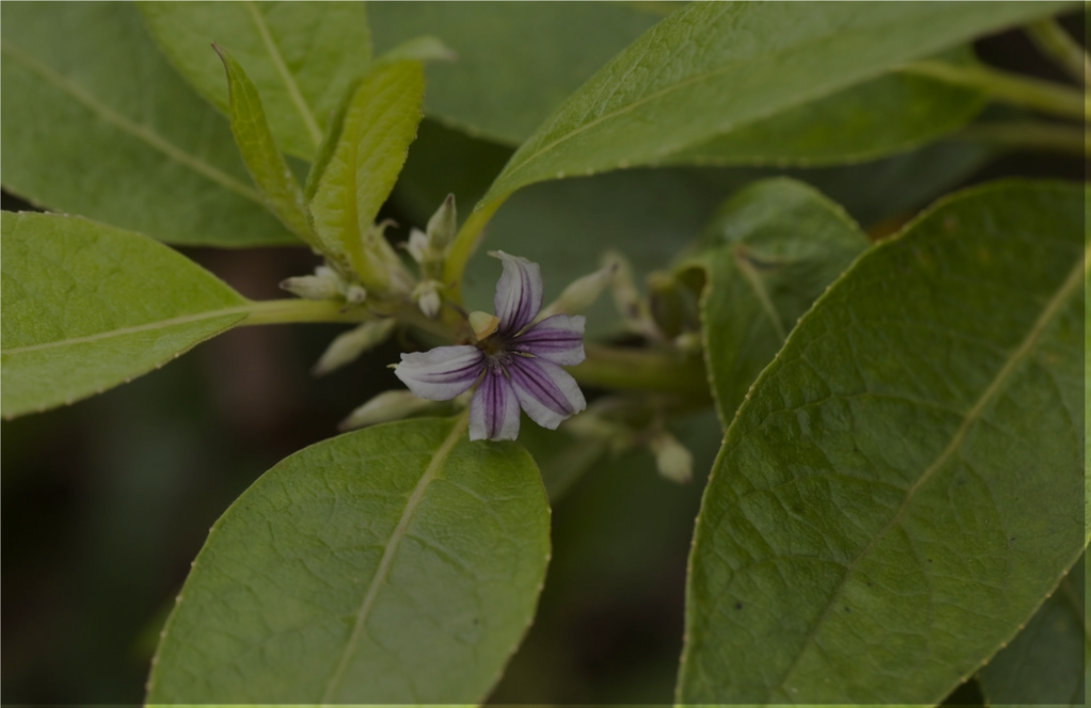
| 3 | Delissea takeuchii | Locality redacted. Contact Bishop Museum Botany Department for details | Preserved_Specimen | Colony with unusual leaf form and margin, vegetative characters constant, sacrificed one top from the only plant with two stems arising from a common base; all others w/single erect stalks. Calyx green, corolla white, becoming greenish white at apex,staminal column greenish white; petioles and midribs burgundy red, pronounced cuticular sheen on both leaf surfaces, underside reddish green, especially on younger leaves | Takeuchi, W.N. | 2734 | Oahu | BISH | 1986-08-09 | |
| 4 | Delissea takeuchii | Locality redacted. Contact Bishop Museum Botany Department for details | Preserved_Specimen | Colony with unusual leaf form and margin, vegetative characters constant, sacrificed one top from the only plant with two stems arising from a common base; all others w/single erect stalks. Calyx green, corolla white, becoming greenish white at apex,staminal column greenish white; petioles and midribs burgundy red, pronounced cuticular sheen on both leaf surfaces, underside reddish green, especially on younger leaves | Takeuchi, W.N. | 2734 | Oahu | BISH | 1986-08-09 | |
| 5 | Delissea takeuchii | Locality redacted. Contact Bishop Museum Botany Department for details | Preserved_Specimen | Colony with unusual leaf form and margin, vegetative characters constant, sacrificed one top from the only plant with two stems arising from a common base; all others w/single erect stalks. Calyx green, corolla white, becoming greenish white at apex,staminal column greenish white; petioles and midribs burgundy red, pronounced cuticular sheen on both leaf surfaces, underside reddish green, especially on younger leaves | Takeuchi, W.N. | 2734 | Oahu | BISH | 1986-08-09 | |
| 6 | Delissea takeuchii | Locality redacted. Contact Bishop Museum Botany Department for details | Top of shallow streamcut banks in Aleurites - Clidemia community. | Preserved_Specimen | Single unbranched plant, stem length = 6' with leaves terminally clustered. Leaf midrib and petiole purple red, leaf blade also tinged with red on undersurface: the coloration characters not apparent after drying. | Takeuchi, W.N. | 2410 | Oahu | BISH | 1986-08-24 |
Lorem ipsum dolor sit amet, consectetur adipiscing elit, sed do eiusmod tempor incididunt ut labore et dolore magna aliqua. Ut enim ad minim veniam, quis nostrud exercitation ullamco laboris nisi ut aliquip ex ea commodo consequat. Duis aute irure dolor in reprehenderit in voluptate velit esse cillum dolore eu fugiat nulla pariatur. Excepteur sint occaecat cupidatat non proident, sunt in culpa qui officia deserunt mollit anim id est laborum.
Lorem ipsum dolor sit amet, consectetur adipiscing elit, sed do eiusmod tempor incididunt ut labore et dolore magna aliqua. Ut enim ad minim veniam, quis nostrud exercitation ullamco laboris nisi ut aliquip ex ea commodo consequat. Duis aute irure dolor in reprehenderit in voluptate velit esse cillum dolore eu fugiat nulla pariatur. Excepteur sint occaecat cupidatat non proident, sunt in culpa qui officia deserunt mollit anim id est laborum.
Lorem ipsum dolor sit amet, consectetur adipiscing elit, sed do eiusmod tempor incididunt ut labore et dolore magna aliqua. Ut enim ad minim veniam, quis nostrud exercitation ullamco laboris nisi ut aliquip ex ea commodo consequat. Duis aute irure dolor in reprehenderit in voluptate velit esse cillum dolore eu fugiat nulla pariatur. Excepteur sint occaecat cupidatat non proident, sunt in culpa qui officia deserunt mollit anim id est laborum.
Lorem ipsum dolor sit amet, consectetur adipiscing elit, sed do eiusmod tempor incididunt ut labore et dolore magna aliqua. Ut enim ad minim veniam, quis nostrud exercitation ullamco laboris nisi ut aliquip ex ea commodo consequat. Duis aute irure dolor in reprehenderit in voluptate velit esse cillum dolore eu fugiat nulla pariatur. Excepteur sint occaecat cupidatat non proident, sunt in culpa qui officia deserunt mollit anim id est laborum.
Lorem ipsum dolor sit amet, consectetur adipiscing elit, sed do eiusmod tempor incididunt ut labore et dolore magna aliqua. Ut enim ad minim veniam, quis nostrud exercitation ullamco laboris nisi ut aliquip ex ea commodo consequat. Duis aute irure dolor in reprehenderit in voluptate velit esse cillum dolore eu fugiat nulla pariatur. Excepteur sint occaecat cupidatat non proident, sunt in culpa qui officia deserunt mollit anim id est laborum.
Lorem ipsum dolor sit amet, consectetur adipiscing elit, sed do eiusmod tempor incididunt ut labore et dolore magna aliqua. Ut enim ad minim veniam, quis nostrud exercitation ullamco laboris nisi ut aliquip ex ea commodo consequat. Duis aute irure dolor in reprehenderit in voluptate velit esse cillum dolore eu fugiat nulla pariatur. Excepteur sint occaecat cupidatat non proident, sunt in culpa qui officia deserunt mollit anim id est laborum.
Thank you for your interest in submitting an image of
Select your image and leave a brief description of your photo below.